



BRD4 Inhibitor
-
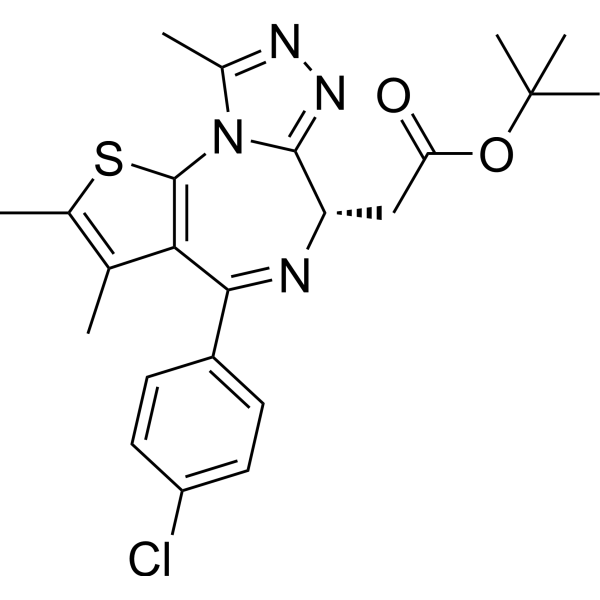
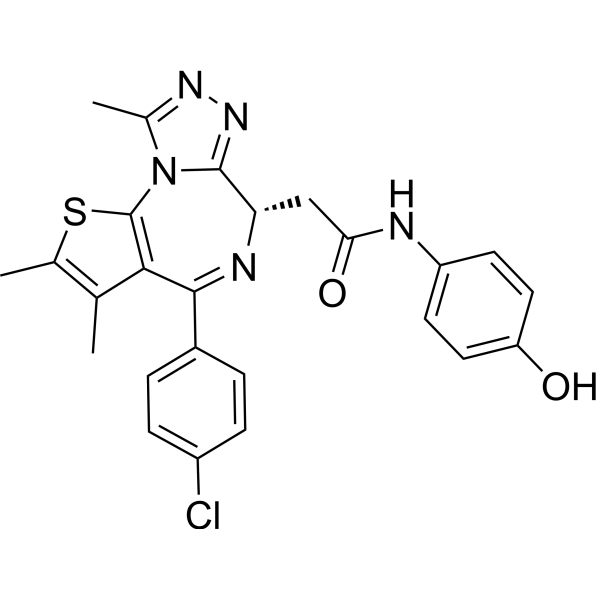
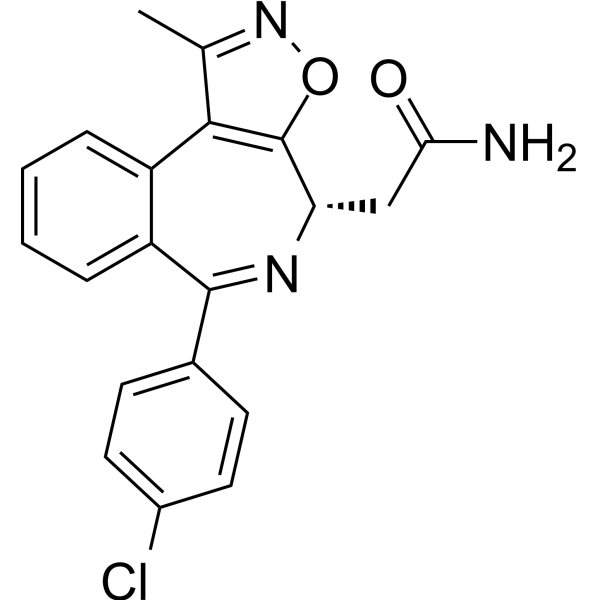
Birabresib
 0 ImagesSynonyms: OTX-015; MK-8628
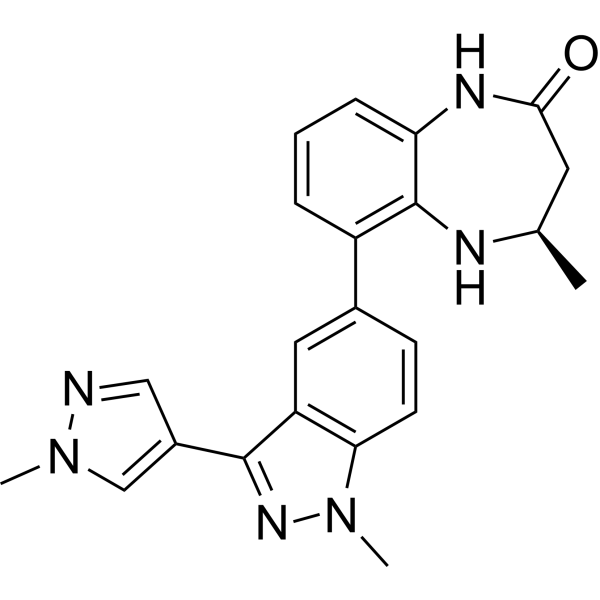
Birabresib (OTX-015) is a potent bromodomain (BRD2/3/4) inhibitor with IC50s ranging from 92 to 112 nM.
-
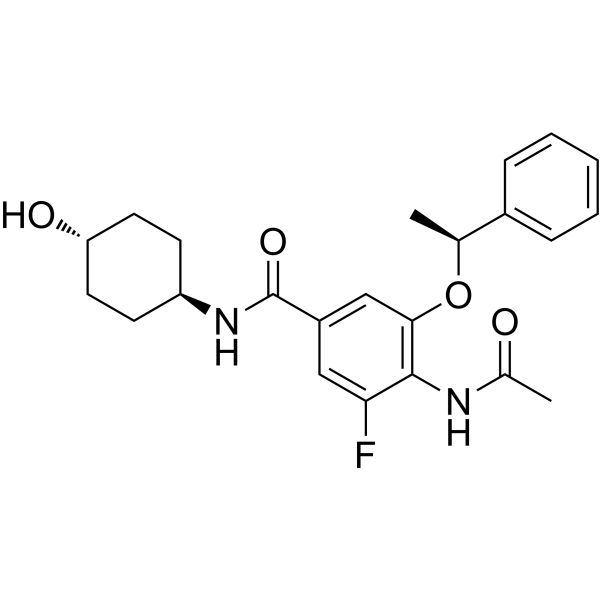
ABBV-744
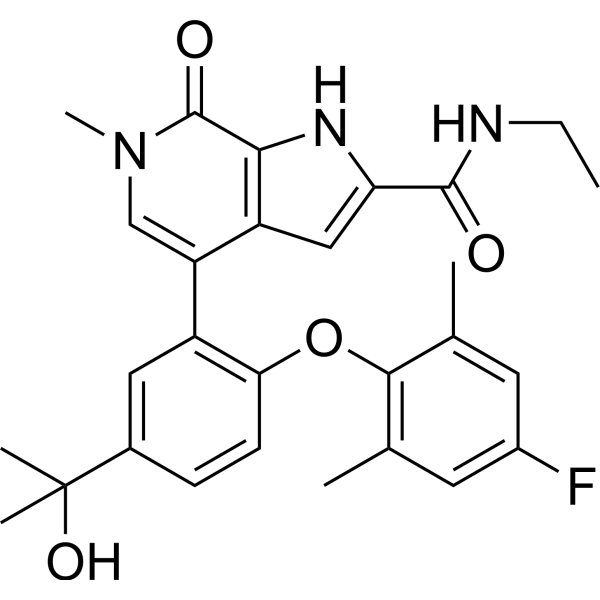 0 Images
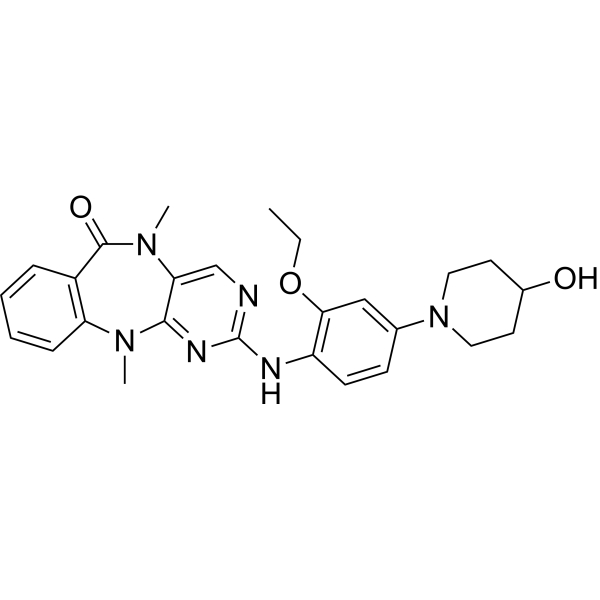
ABBV-744 is a first-in-class, orally active and selective inhibitor of the BDII domain of BET family proteins with IC50 values ranging from 4 to 18 nM for BRD2, BRD3, BRD4 and BRDT. ABBV-744 is primarily metabolized by CYP3A4 with agent-like properties enable the investigation of its antitumor efficacy and tolerability.
-
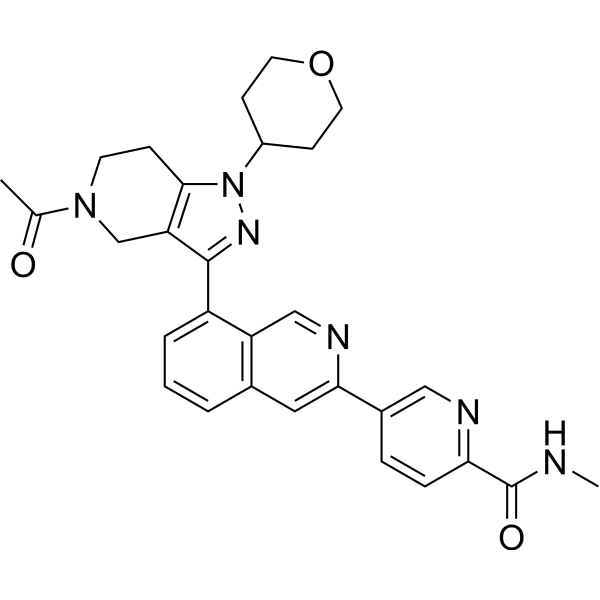
Mivebresib
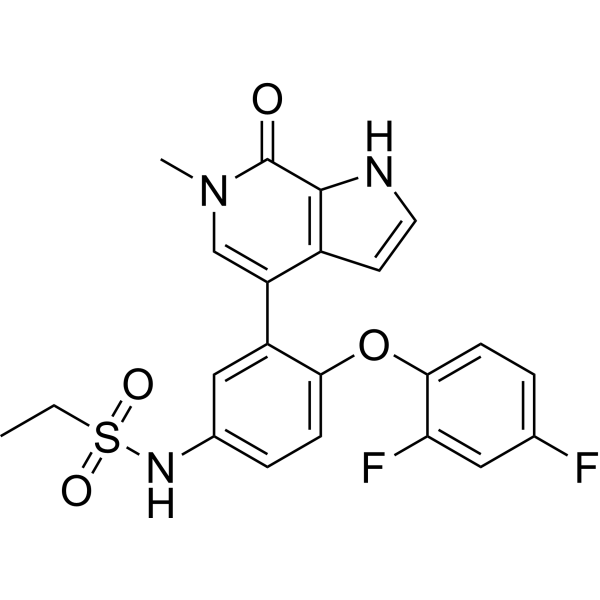 0 ImagesSynonyms: ABBV-075
-
GNE-987
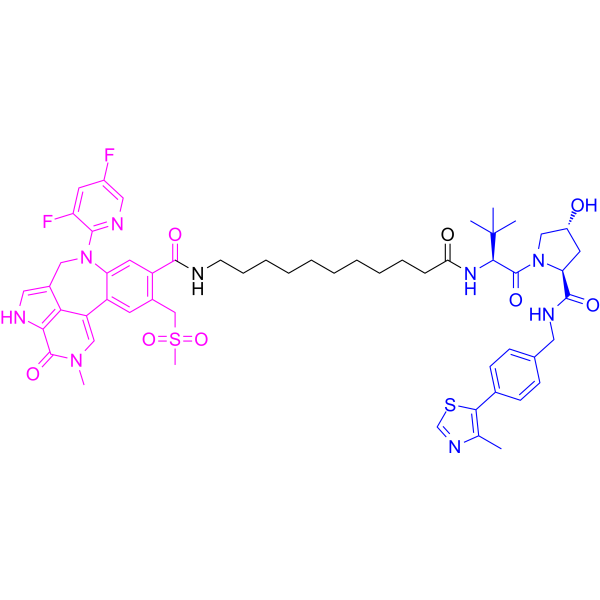 0 Images
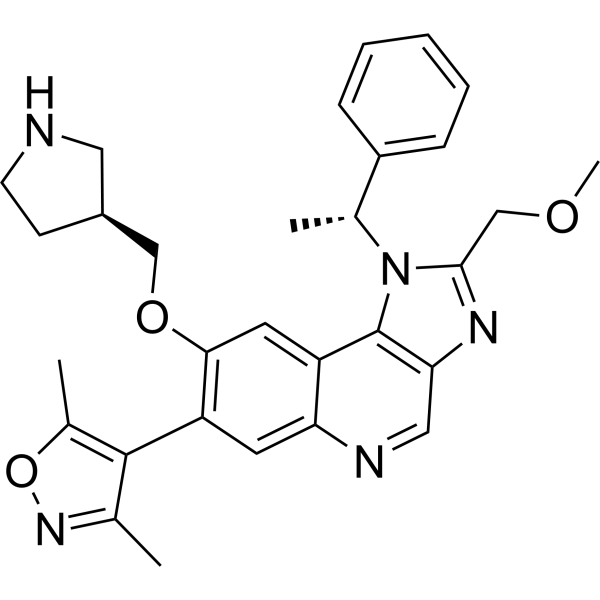
GNE-987 is a VHL-dependent BRD4 PROTAC degrader. GNE-987 exhibits picomolar cell BRD4 degradation activity (DC50=0.03 nM for EOL-1 AML cell line). GNE-987 binds equipotently to the BD1 and BD2 bromodomains of BRD4 with low nanomolar affinities (IC50=4.7 and 4.4 nM, respectively). GNE-987 can be used for the research of cancer.
-
AR/BRD4 RIPTAC-1
 0 ImagesCat. No.: HY-176521CAS No.: 3083307-42-7
AR/BRD4 RIPTAC-1 (Compound II-5) is an orally active Regulatory-inducible proximity-targeting chimera (RIPTAC). AR/BRD4 RIPTAC-1 induces the formation of a stable ternary complex between the androgen receptor (AR) and BRD4, thereby blocking BRD4 function. AR/BRD4 RIPTAC-1 inhibits the growth and proliferation of tumor cells. AR/BRD4 RIPTAC-1 holds promise for use in prostate cancer research.
-
FKBP12 PROTAC dTAG-7
 0 ImagesSynonyms: dTAG-7
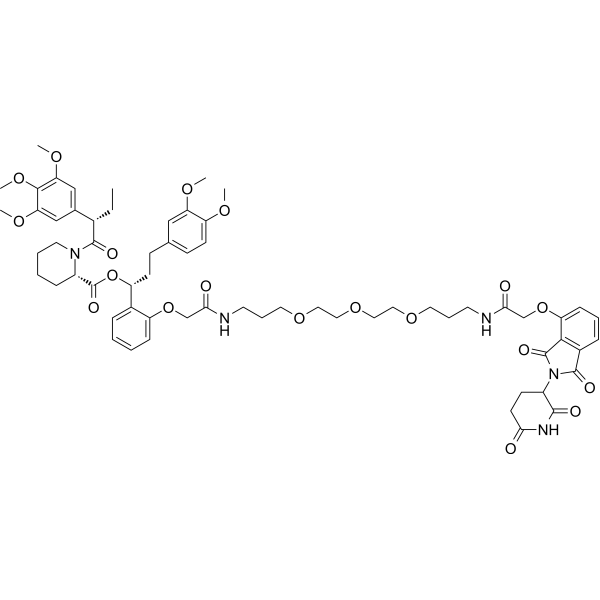
FKBP12 PROTAC dTAG-7 (dTAG-7) is a FKBP12F36V PROTAC degrader. FKBP12 PROTAC dTAG-7 binds FKBP12F36V and CRBN to form a complex, mediating degradation via the ubiquitin-proteasome system. FKBP12 PROTAC dTAG-7 mediates the degradation of FKBP12F36V-tagged nuclear and cytoplasmic proteins, including BRD4, HDAC1, EZH2, MYC, PLK1, KRASG12V, and antigen fusion proteins. FKBP12 PROTAC dTAG-7 enhances MHC class I antigen presentation. FKBP12 PROTAC dTAG-7 is applicable to leukemia-related research.
-
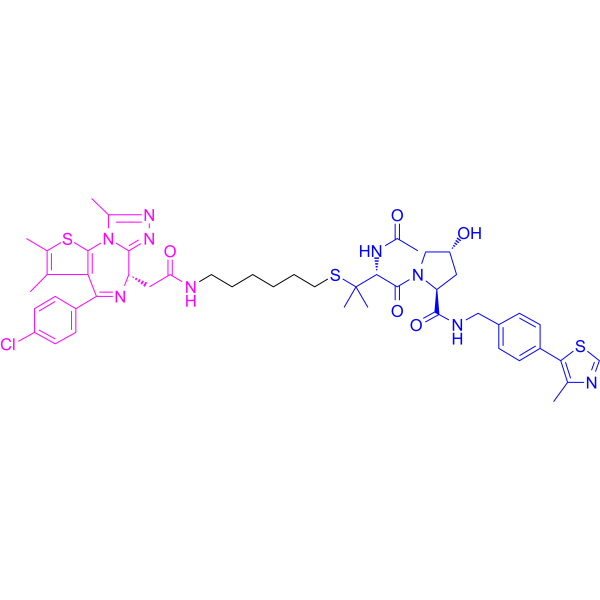
BRD4 degrader AT1
 0 Images
BRD4 degrader AT1 is a selective PROTAC BRD4 degrader. BRD4 degrader AT1 induces depletion of Brd4 protein in cells. BRD4 degrader AT1 exhibits highly selective depletion of Brd4 over Brd2 and Brd3 in cells.
-
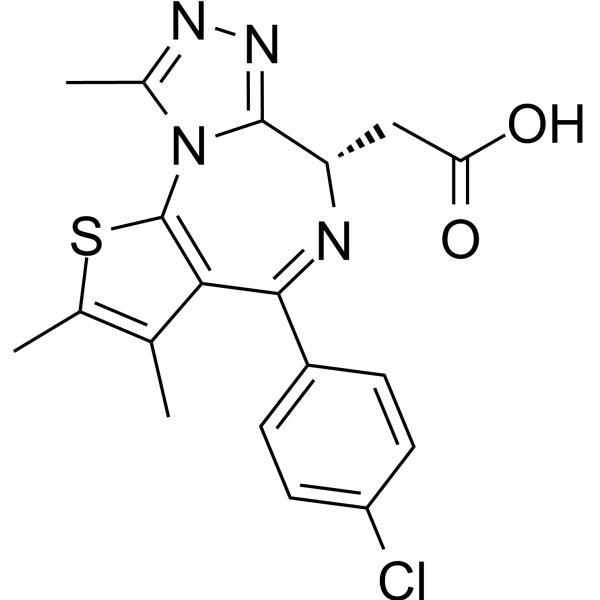
I-BET762 carboxylic acid
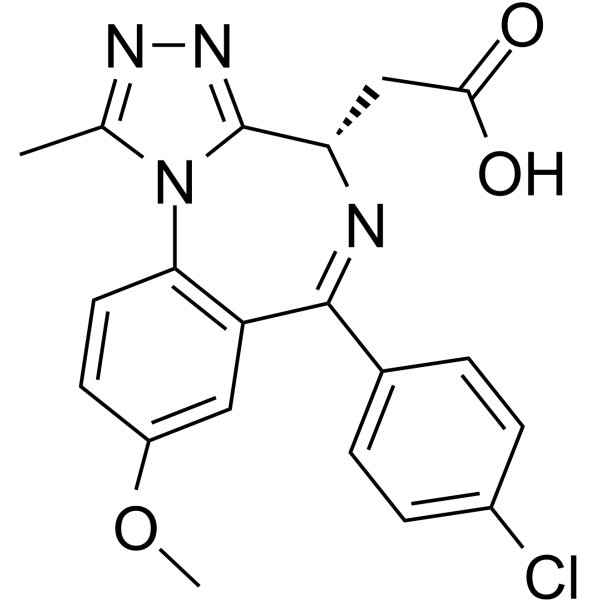 0 ImagesSynonyms: Molibresib carboxylic acid; GSK525762A carboxylic acid; PROTAC BRD4-binding moiety 2
-
QCA570
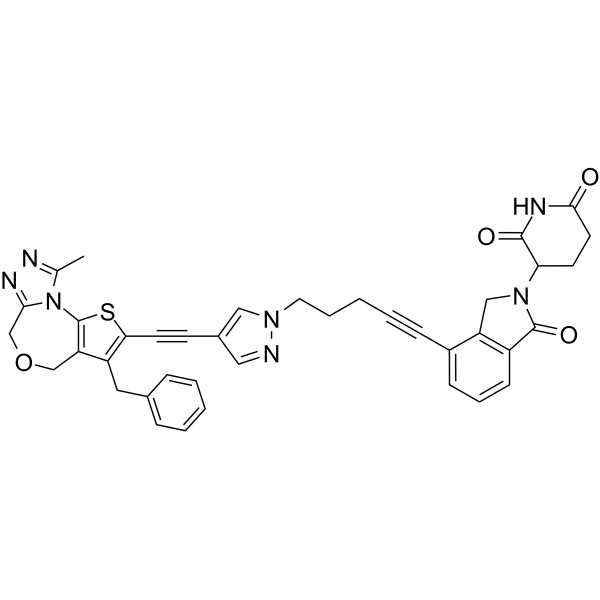 0 Images
QCA570 is a pan-BET-BRD PROTAC degrader. QCA570 degrades BRD2/3/4 and BRDT via cereblon and the ubiquitin-proteasome pathway, inhibits the expression of c-MYC, EZH2 and Mcl-1, induces tumor cell apoptosis, cycle arrest and regression, and exerts a synergistic inhibitory effect on Osimertinib (HY-15772)-resistant EGFR-mutant non-small cell lung cancer. QCA570 can be used in the research of acute myeloid leukemia, acute lymphoblastic leukemia, bladder cancer and non-small cell lung cancer.
-
GSK8814
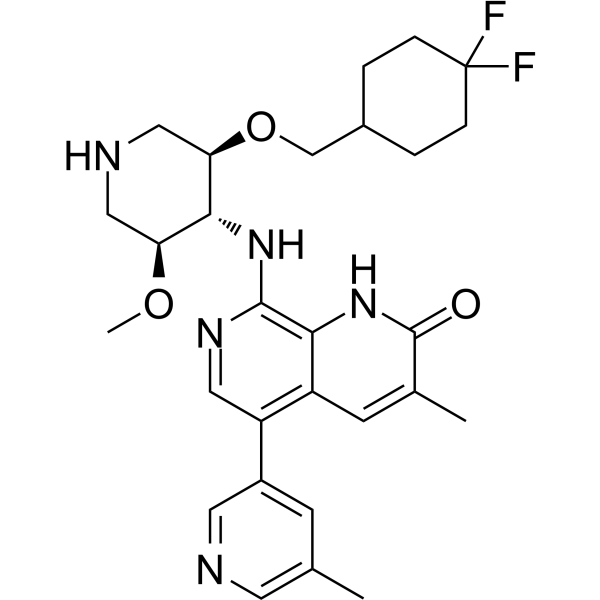 0 Images
GSK8814 is a potent and selective ATAD2 bromodomain chemical probe and inhibitor (IC50 = 0.059 μM), with a binding constant pKd = 8.1 and a pKi = 8.9 in BROMOscan. GSK8814 binds to ATAD2 and BRD4 BD1 with pIC50s of 7.3 and 4.6, respectively. GSK8814 shows 500-fold selectivity for ATAD2 over BRD4 BD1. GSK8814 can be researched for cancer associated with ATAD2 bromodomain.
-
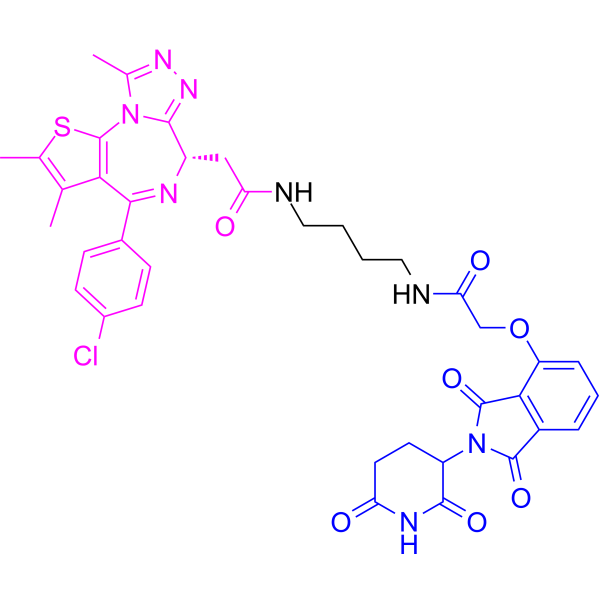
dBET57
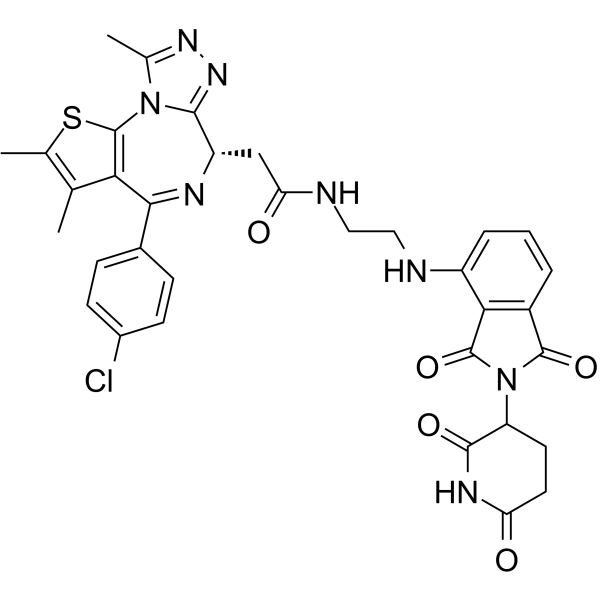 0 Images
dBET57 is a potent and selective BRD4BD1 PROTAC degrader with a DC50 of approximately 500 nM. dBET57 forms a ternary complex with CRL4CRBN and BRD4BD1, induces the ubiquitination and degradation of BRD4, and indirectly inhibits the transcription of MYCN, c-Myc and PD-L1, ultimately leading to cell cycle arrest and apoptosis. dBET57 can be used in related research on neuroblastoma, non-small cell lung cancer and colorectal cancer.



